
Artificial intelligence (AI) is becoming increasingly necessary across all different industries and as we progress, we’re starting to weave it into our commercial cleaning services.
As we begin to explore how AI and cobotic technologies (a combination of collaborative robotics and automation) can enhance our services, we can see clear potential in how these tools can support our team and improve service consistency.
Using AI for training purposes
Right now, our use of AI is mainly focused on training and internal systems, helping us to build more structured and accessible learning for staff. We’re at the early stages, but it’s a key area of focus, especially as we prepare to adopt more advanced technology across the business.
We’re working hard to ensure our training infrastructure evolves in step with the wider industry.
How could cobotics be used in commercial cleaning?
Cobotics refers to using AI-powered robotic equipment designed to work alongside people, rather than replace them. Using cobotics in commercial cleaning would include tools such as robotic sweepers, automated vacuum cleaners, and other mechanised equipment that can operate independently, and often out of hours.
These tools can help to cover large floor areas more efficiently, freeing up staff to focus on more detailed, hands-on tasks.
The limitations of AI and future potential
Today’s mainstream cobotic tools, such as self-mapping vacuums, are useful, but they come with limitations. For example, in busy daytime office environments, robotic vacuums are often not suitable due to trip hazards and movement restrictions.
The real challenge, and opportunity, lies in low-tactile work like dusting and surface cleaning. These are tasks that currently require a human touch as it requires delicate hands and intricate detail. As the technology evolves, Elara aims to be ready to adopt solutions that go beyond basic automation and truly assist with high-precision cleaning.
Using AI in Commercial Cleaning
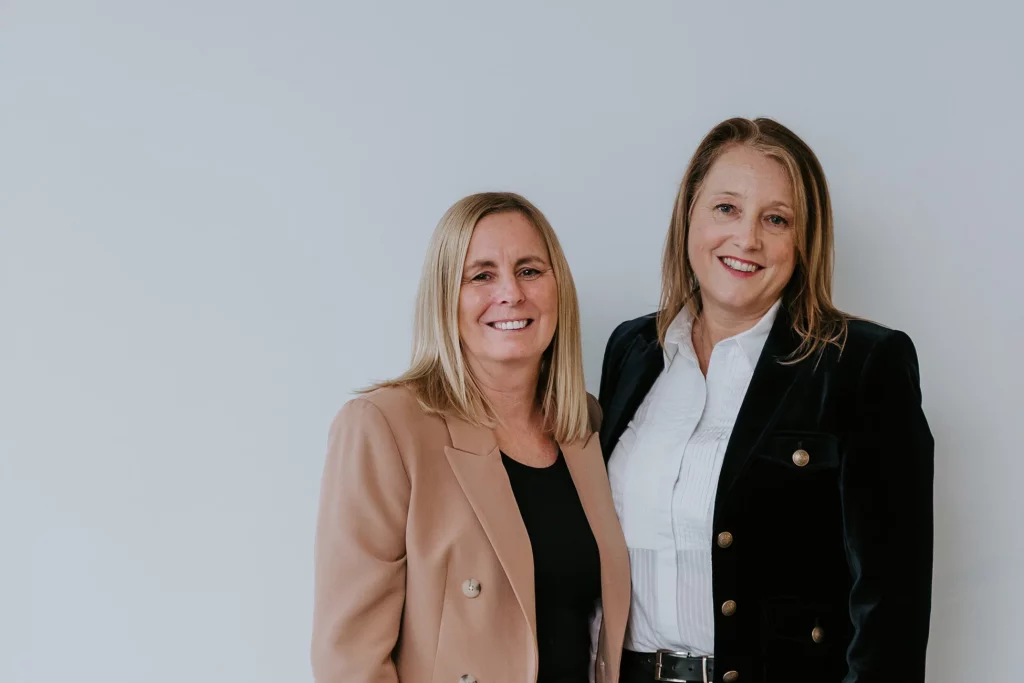
As we strive to integrate more about the capabilities of AI in our industry, our directors, Rebecca and Beverley, are working with local technology companies to explore where the future capabilities of AI and how to develop commercially viable solutions.
We believe that with the right planning and the right partnerships, AI can complement our existing service model and support our people, not replace them.